
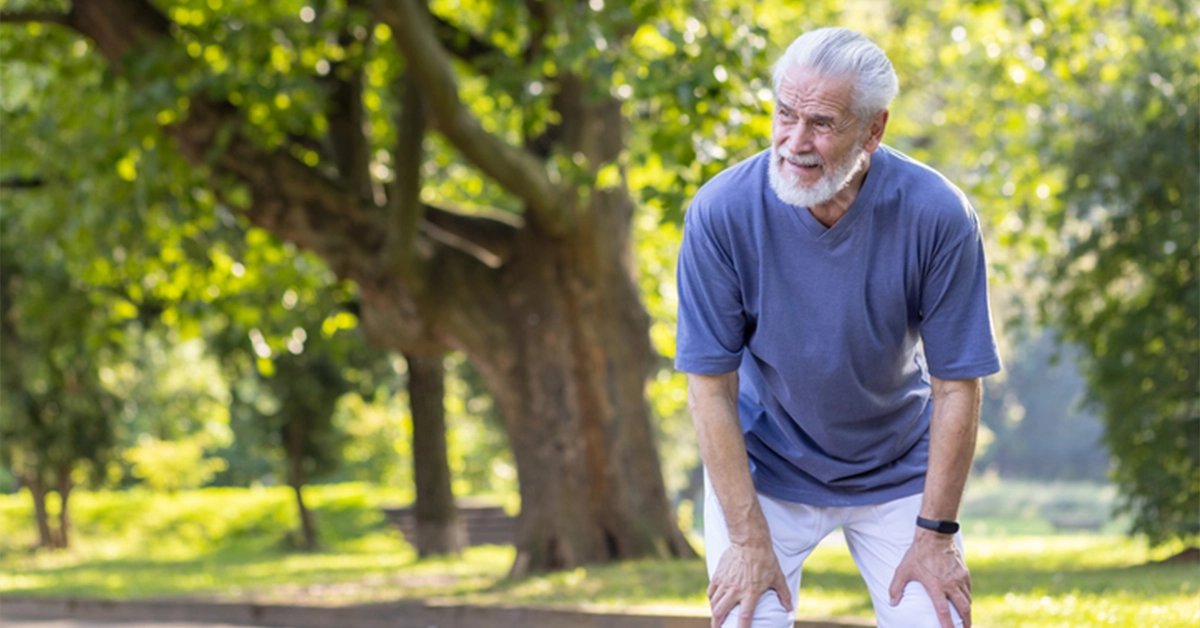
Understanding the Causes of Declining Energy—and How to Stay Strong at Any Age
Introduction — Why Doesn’t My Energy Last Like It Used To?
Think back to your 20s. You could work a full day, squeeze in a tough workout, spend time with family or friends, and still have enough energy to tackle whatever came next. Recovery was quick, motivation came naturally, and stamina seemed endless.
Fast forward a couple of decades, and things may feel different. You tire more easily, workouts take longer to recover from, and maintaining the same level of physical and mental performance requires much more effort.
If this sounds familiar, you’re certainly not alone.
Many men notice a gradual decline in stamina as they get older. While aging plays a role, it isn’t the only reason. Reduced stamina is often the result of several interconnected factors, including hormonal changes, declining muscle mass, reduced cardiovascular efficiency, poor lifestyle habits, chronic stress, and slower recovery.
The encouraging news is that losing stamina isn’t something you simply have to accept. By understanding what causes these changes and adopting healthy habits, many men can maintain impressive energy, endurance, and confidence well into their 40s, 50s, and beyond.
Let’s explore why stamina changes with age—and more importantly, what you can do to improve it naturally.
What Is Stamina, and Why Does It Matter?
Stamina is your body’s ability to sustain physical and mental effort over time. It’s what allows you to stay active throughout the day, perform well during exercise, recover efficiently, and maintain energy without feeling constantly exhausted.
Although many people use the terms interchangeably, stamina, endurance, strength, and energy are not exactly the same.
- Strength refers to how much force your muscles can generate.
- Endurance is your ability to perform an activity for an extended period.
- Energy describes how alert and capable you feel throughout the day.
- Stamina combines all of these qualities, allowing you to perform consistently without excessive fatigue.
Good stamina isn’t only important for athletes. It affects everyday activities such as climbing stairs, playing with your children or grandchildren, working productively, enjoying hobbies, and maintaining an active intimate life.
Healthy stamina reflects the combined function of your cardiovascular system, muscles, hormones, nervous system, and metabolism. When one of these systems begins to decline, your overall performance can suffer.
The Natural Aging Process: What Changes After 30?
Around the age of 30, gradual biological changes begin occurring throughout the body. These changes happen naturally, but lifestyle choices can either slow them down or speed them up.
Testosterone Gradually Declines
Testosterone levels typically decrease by about 1–2% each year after age 30. Since testosterone helps regulate muscle mass, energy, recovery, libido, and motivation, even small reductions over time can influence how you feel.
Loss of Lean Muscle Mass
Aging is also associated with sarcopenia—the gradual loss of muscle tissue. Less muscle means reduced strength, slower metabolism, and decreased physical endurance.
Metabolism Slows Down
Your body becomes less efficient at burning calories, making it easier to gain body fat and harder to maintain lean muscle.
Cardiovascular Efficiency Decreases
The heart and blood vessels naturally become less efficient over time. If combined with inactivity, poor nutrition, or smoking, circulation can decline even further.
Recovery Takes Longer
Muscles repair more slowly after exercise, making recovery increasingly important with age.
While these changes are common, they are not necessarily permanent or unavoidable. Many men maintain excellent stamina well into later life by adopting healthy habits that support their changing bodies.
Lifestyle Habits That Accelerate Stamina Loss
Although aging contributes to declining stamina, lifestyle choices often have an even greater impact.
Physical Inactivity
Sitting for long hours weakens muscles, reduces cardiovascular fitness, and slows metabolism. Without regular movement, stamina naturally declines.
Poor Nutrition
Highly processed foods, excess sugar, and nutrient-poor diets provide calories without supplying the vitamins, minerals, and protein needed for optimal energy production.
Lack of Quality Sleep
Sleep is when your body repairs muscle tissue, regulates hormones, and restores energy. Chronic sleep deprivation leaves many men feeling exhausted before the day even begins.
Chronic Stress
Long-term stress raises cortisol levels, which can interfere with testosterone production, recovery, and overall vitality.
Excess Alcohol
Heavy alcohol consumption affects sleep quality, hormone balance, hydration, and muscle recovery.
Smoking
Smoking reduces oxygen delivery, damages blood vessels, and limits circulation, making physical activity more demanding while slowing recovery.
Weight Gain
Carrying excess body weight places additional stress on the heart, joints, and muscles, increasing fatigue during everyday activities.
The encouraging reality is that these lifestyle factors are largely within your control, making them powerful opportunities for improvement.
Hormones and Male Stamina: Why Testosterone Matters
Hormones serve as chemical messengers that regulate nearly every function in the male body.
Among them, testosterone plays one of the most significant roles in maintaining stamina and vitality.
Healthy testosterone supports:
- Muscle strength and maintenance
- Physical energy
- Exercise recovery
- Healthy libido
- Motivation and confidence
- Mental focus
However, maintaining stamina isn’t simply about having “high testosterone.”
Hormone balance is influenced by many daily habits, including:
- Getting enough sleep
- Exercising regularly
- Eating nutrient-rich foods
- Managing stress
- Maintaining a healthy body weight
When these areas are neglected, hormonal balance can suffer, contributing to lower energy, reduced endurance, slower recovery, and decreased motivation.
Supporting overall hormone health is often far more beneficial than focusing on testosterone levels alone.
Blood Flow: The Hidden Key to Lasting Performance
One of the most overlooked contributors to stamina is healthy blood circulation.
Every muscle contraction depends on oxygen-rich blood reaching working tissues. Efficient circulation also removes waste products that build up during physical activity.
Nitric oxide plays an important role by helping blood vessels relax and widen, allowing blood to flow more freely throughout the body.
Healthy circulation supports:
- Better endurance
- Improved exercise performance
- Faster recovery
- Greater physical energy
- Healthy sexual function
Poor circulation, on the other hand, may contribute to fatigue, reduced stamina, slower recovery, and diminished intimate performance.
Taking care of your cardiovascular system benefits every aspect of male vitality, from athletic performance to everyday energy.
Can You Improve Stamina as You Get Older?
Absolutely.
Research consistently shows that healthy lifestyle habits can significantly improve stamina at nearly any age.
Strength Training
Resistance training helps preserve muscle mass, supports metabolism, improves bone strength, and encourages healthy hormone production.
Aim for two to four sessions each week focusing on all major muscle groups.
Cardiovascular Exercise
Activities such as walking, cycling, swimming, rowing, and interval training strengthen the heart while improving oxygen delivery throughout the body.
Even brisk walking for 30 minutes most days can improve endurance over time.
Eat for Sustainable Energy
Choose foods that fuel your body rather than simply filling your stomach.
Focus on:
- Lean proteins
- Complex carbohydrates
- Healthy fats
- Colorful fruits and vegetables
- Whole grains
- Plenty of water
Balanced nutrition supports hormone production, muscle recovery, and sustained energy throughout the day.
Prioritize Recovery
Recovery is just as important as exercise.
Aim for seven to nine hours of quality sleep each night, schedule regular rest days, and make stress management part of your routine through activities like walking, meditation, stretching, or spending time outdoors.
Maintain a Healthy Weight
Reducing excess body fat can improve circulation, lower inflammation, support healthier hormone levels, and make everyday movement much easier.
Small, consistent improvements often produce lasting results.
House of Man Supplement Recommendations
Healthy habits form the foundation of lasting stamina, while nutritional supplements may provide additional support when used as part of a balanced lifestyle.
Erekstein
Erekstein is designed to support healthy blood circulation, helping maintain daily stamina, physical performance, and male vitality. By promoting healthy blood flow, it complements an active lifestyle focused on long-term wellness.
Mega 10
Mega 10 provides nutritional support for daily energy, hormonal wellness, physical performance, and overall vitality. It can be a valuable addition for men looking to stay active and maintain endurance as they age.
Serial FX
Serial FX supports healthy libido, male vitality, confidence, and overall intimate wellness. When combined with regular exercise, proper nutrition, and healthy lifestyle habits, it can help men maintain confidence and performance throughout the years.
While supplements can support your wellness journey, they should never replace healthy eating, regular exercise, quality sleep, or medical care when needed.
Frequently Asked Questions
Is it normal to lose stamina after 40?
Yes. Some decline is a natural part of aging, but healthy lifestyle habits can significantly reduce its impact and help maintain high levels of energy.
Can exercise improve stamina at any age?
Absolutely. Regular strength and cardiovascular training can improve endurance, circulation, muscle strength, and overall physical performance regardless of age.
Does low testosterone always cause fatigue?
Not necessarily. Fatigue can result from poor sleep, stress, nutritional deficiencies, underlying medical conditions, or hormone imbalance. Persistent fatigue should be discussed with a healthcare professional.
What foods naturally improve stamina?
Lean proteins, whole grains, fruits, vegetables, healthy fats, nuts, seeds, and adequate hydration all contribute to sustained energy and physical performance.
Are supplements helpful for maintaining male vitality?
Dietary supplements can complement a healthy lifestyle by providing nutritional support, but they work best alongside regular exercise, balanced nutrition, quality sleep, and healthy daily habits.
Conclusion — Growing Older Doesn’t Mean Giving Up Your Strength
Growing older naturally brings changes to your body, including gradual shifts in hormones, muscle mass, metabolism, and cardiovascular function. However, these changes don’t automatically mean you’ll lose your stamina or your quality of life.
In many cases, lifestyle choices have a far greater influence than age itself.
Regular exercise, balanced nutrition, restorative sleep, effective stress management, and healthy circulation all play essential roles in maintaining long-term energy and performance. Pairing these healthy habits with supportive nutritional formulas like Erekstein, Mega 10, and Serial FX can further complement your commitment to better health.
Growing older is inevitable—but feeling old doesn’t have to be.
By making consistent, positive choices today, you can continue enjoying strength, endurance, confidence, and vitality for years to come.
Take charge of your health today and invest in the habits that will help you perform at your very best—both now and in the future.